

 NP
NP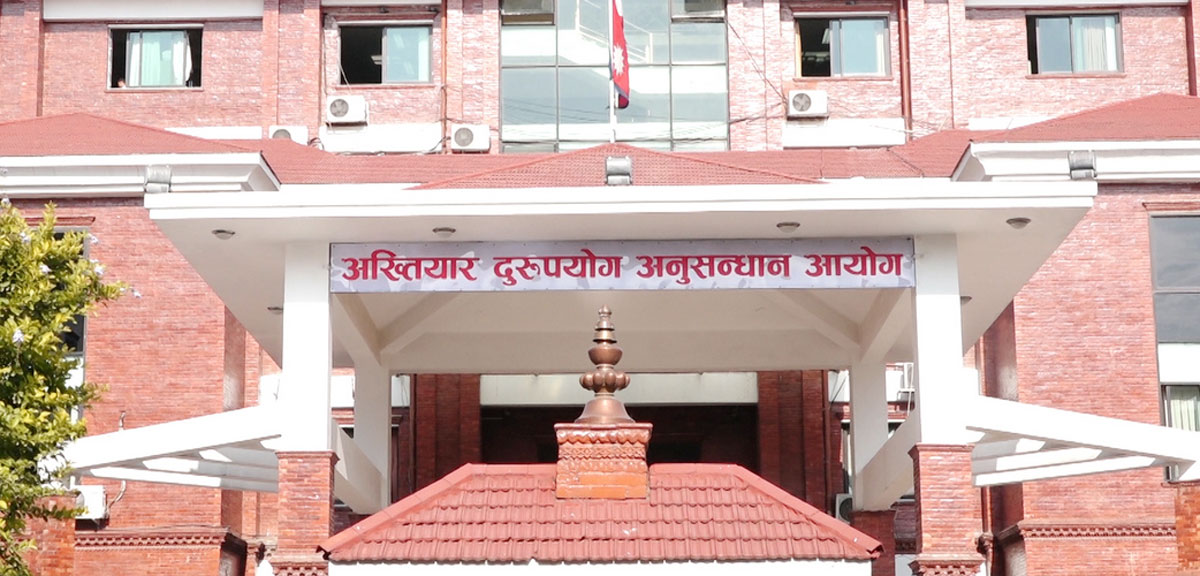
Kathmandu – The Commission for the Investigation of Abuse of Authority (CIAA) has reported receiving a total of 37,026 complaints in the fiscal year 2081/82. The figure includes 28,554 new cases registered during the year and 8,472 carried over from the previous year. The annual report was submitted to President Ram Chandra Paudel.
According to the CIAA, most complaints (27.67%) were filed online, while 52.83% came through the central office. Among its regional offices, Bardibas received the highest share (10.72%) and Nepalgunj the lowest (2.44%).
By sector, 53.84% of the complaints were related to local governments, 33.69% to federal bodies, and 12.47% to provincial governments. Bagmati Province recorded the highest number of complaints (11,277), while Gandaki had the lowest (2,413). At the federal level, the Ministry of Land Management, Cooperatives and Poverty Alleviation accounted for the largest portion (17.12%), followed by the Home, Education, Health, and Finance ministries.
From the total, 29,703 cases were resolved through preliminary investigations. Of these, 927 went into detailed investigation, 17,130 were shelved, 586 were closed with recommendations, and 11,060 were handled under other legal actions. About 7,323 unresolved cases were carried forward into the current fiscal year.
Last year, 947 detailed investigations were completed, resulting in 137 cases being filed at the Special Court. Of these, 135 cases involved corruption offenses and 2 related to money laundering. Bribery cases topped the list with 37, followed by unlawful benefits (35), fake academic certificates (27), damage to public property (24), illegal property acquisition (8), and miscellaneous cases (4). These involved 753 defendants, including 392 civil servants, 48 elected representatives, and 18 political appointees. The CIAA has demanded over NPR 6.01 billion in compensation.
The CIAA noted that about 53% of cases at the Special Court in FY 2081/82 resulted in convictions. However, the success rate in bribery cases has declined following a Supreme Court ruling that restricted sting operations. Dissatisfied with outcomes, the CIAA has filed 251 appeals and 5 review petitions at the Supreme Court.
The report also highlighted that corruption-prone areas still lack proactive investigation, and social acceptance of illicit wealth remains a challenge. The CIAA stressed the need for preventive, promotional, and corrective measures, along with policy and legal reforms across all three tiers of government, to mainstream anti-corruption efforts within the broader socio-economic development agenda.

