NP
NP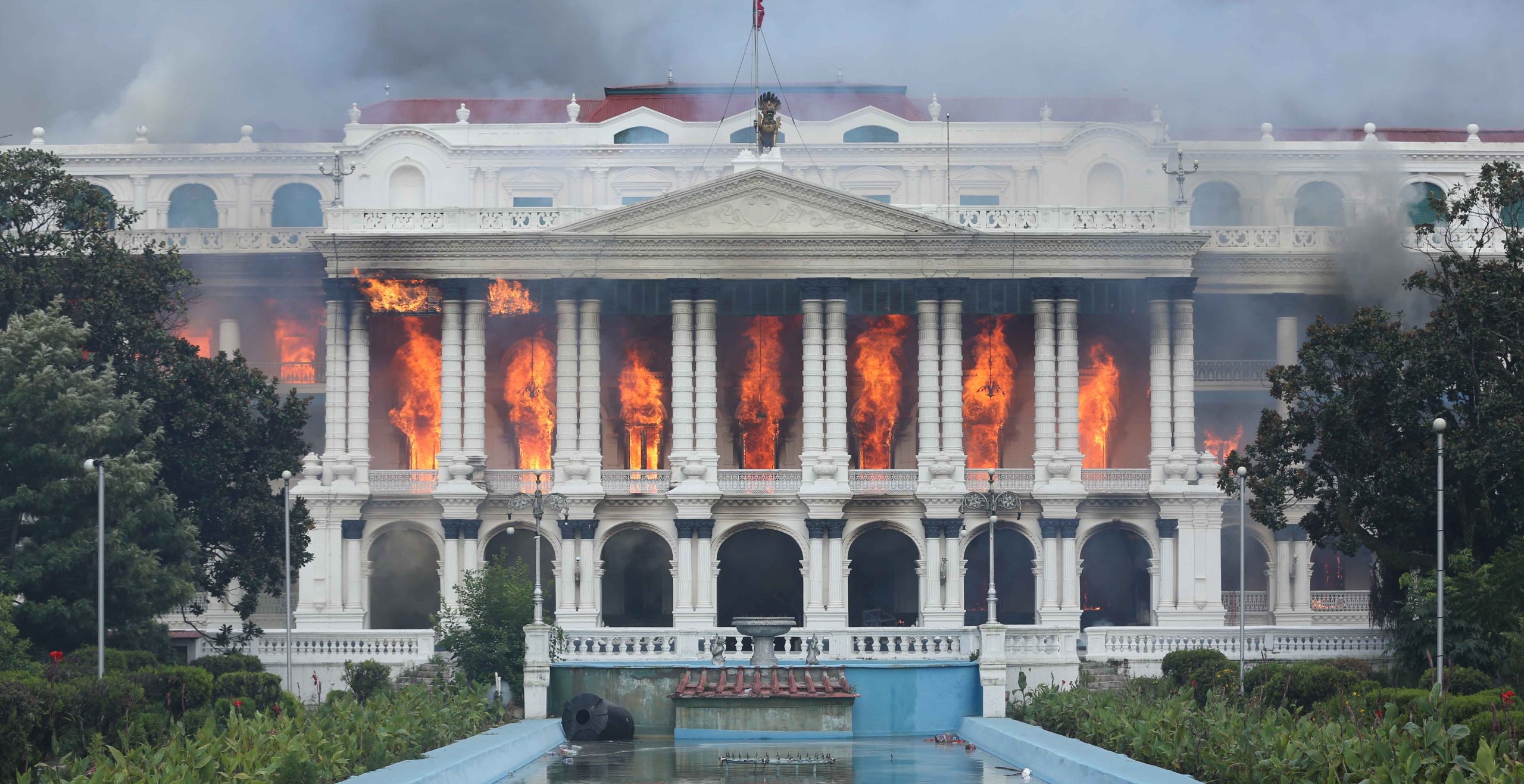
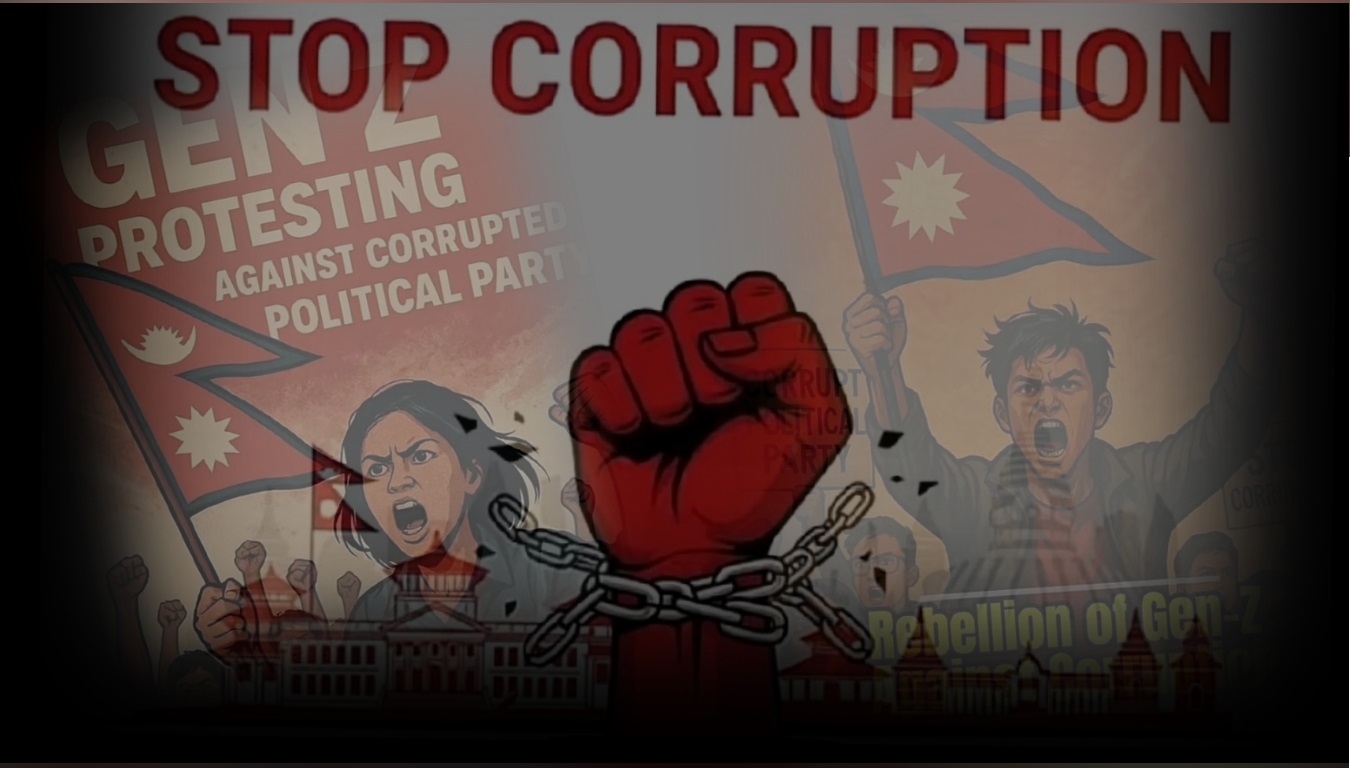
After the blood of innocent youths was spilled on Nepal’s streets, one truth became undeniable, tyranny cannot survive. The brutal crackdown that killed 20 young citizens during the “Gen Z” anti-corruption protests has brought an end to Prime Minister K. P. Oli’s government.
The nation witnessed an extraordinary moment of fury and grief. Enraged crowds, mourning their brothers, sisters, sons, and daughters, dragged corrupt leaders into the streets and set fire to symbols of state power, from the parliament building to the presidential office. It is true that the destruction of public property cannot be justified, for these institutions belong to the people themselves. Yet this eruption of rage revealed a reality, when citizens are robbed of their children, their patience, and their dignity, their anger becomes unstoppable.
The government’s late-night announcement promising free medical treatment for the injured and compensation for the families of the dead offers no comfort. No relief package can heal a mother’s torn heart or bring joy back to parents who lost their children. Justice must be delivered. The police officers who fired the bullets and the leaders who gave the orders must be held accountable under the law.
But the truth is plain, public property belongs not to any leader or party, but to the people. These buildings were built with our taxes, with our labor, with our sacrifices. They are the inheritance we hope to pass to our children. The destruction that followed is a tragedy and yet, it is the tyrannical system that lit the first flame, please we must stop vandalizing and burning public property built with our own hard work and sweat. We can not bring back those young and innocent souls back to life. who had lost their life. But there’s lot we can preserve for our coming generation.
Now, as one era of brutality ends, a harder question lies before us,what kind of nation will we build?
This is not a time for blind rage alone. It is a time to transform pain into purpose. The courage and sacrifice of the Gen Z protesters must not be wasted. Their blood and tears have opened the door to a new Nepal, one that must be shaped with justice, equality, and compassion.If this rage is not transformed into justice, if this grief is not turned into change, then today’s tragedy will only be tomorrow’s memory, destined to repeat.
The tyrant has fallen. The corrupt regime is no more. What remains is the responsibility on our shoulders to rebuild, to create a Nepal where no government dares to fire on its own children, where the state listens rather than suppresses, where the future is written not in blood but in hope.
We cannot let tomorrow’s generation ask why we failed to protect them after shedding today’s tears and blood. The duty now lies with the people of Nepal to prove that from the blood of its children, a just and democratic future can rise.This is our chance to ensure their future will not be one of regret, but one of freedom, dignity, and peace.