The Israel-Palestine conflict is one of the most enduring and contentious disputes in modern history. Rooted in religious, political, and historical complexities, this conflict has been a flashpoint for broader regional and international tensions in the Middle East for more than a century. While the broader Middle Eastern conflicts have evolved and changed over time, the Israel-Palestine dispute remains a central issue.
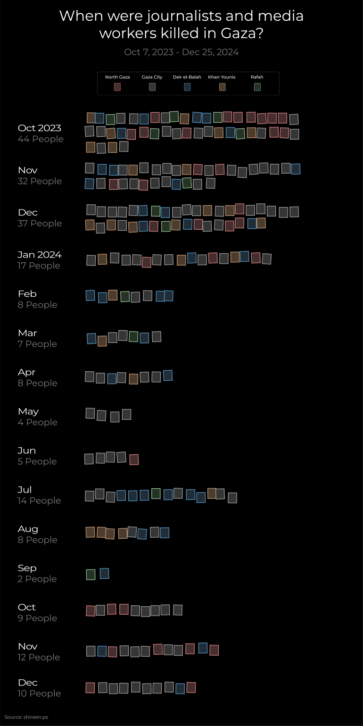
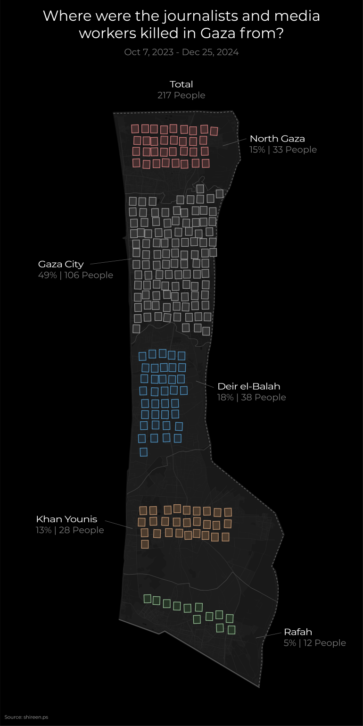
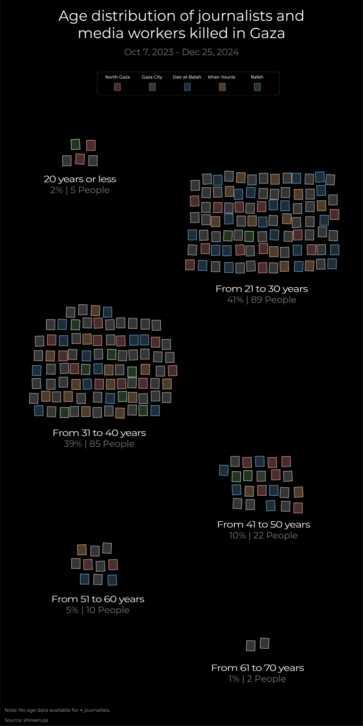
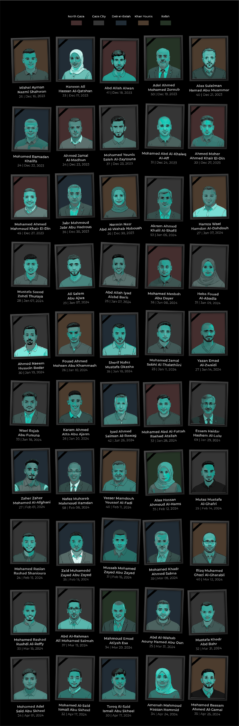
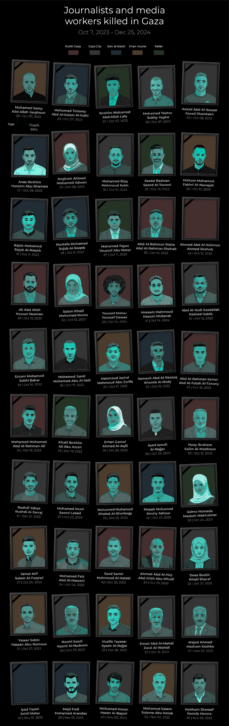
During the recent Israel’s war on Gaza has killed at least 45,805 Palestinians and wounded 109,064 since October 7, 2023. At least 1,139 people were killed in Israel during the Hamas-led attacks that day and more than 200 were taken captive and Both sides have already released prisoners under the first ceasefire agreement since the January 19, 2025, date, although doubts and questions remain about whether the war in Gaza will ever end completely or not.
One of the most significant developments in the current phase of the Israel-Palestine conflict is the involvement of the International Criminal Court (ICC). The court has been investigating alleged war crimes committed by both Israel and Hamas during the ongoing conflict. Of particular note is the ICC’s issuance of an arrest warrant for Israeli Prime Minister Benjamin Netanyahu, as well as other senior Israeli military and political figures, in connection with accusations of mass civilian killings.
The ICC’s inquiry centers on Israel’s conduct in Gaza, where airstrikes and ground operations have reportedly resulted in large numbers of civilian casualties. The Israeli military insists that its actions are aimed at neutralizing Hamas fighters and infrastructure, with strict rules of engagement intended to minimize civilian harm. However, the scale of the destruction in Gaza has led to widespread criticism from international human rights organizations, who argue that Israel’s actions may amount to disproportionate use of force and violations of international humanitarian law.
The allegations against Hamas are similarly grave, with the group accused of intentionally targeting Israeli civilians through rocket fire and other indiscriminate tactics. Human rights groups have condemned Hamas for using civilian areas in Gaza as bases for operations, thus endangering the lives of non-combatants.
The ICC investigation is ongoing, but it is a highly contentious issue. Israel does not recognize the court’s jurisdiction, arguing that the ICC is politically motivated and biased against it. The Israeli government has stated that it will not cooperate with the investigation, calling it a “war on the Jewish state.”
Taking a fact to all the current scenario of war let’s explore the key facts surrounding the conflict and examine its broader implications in the Middle East.
Historical Context of the Conflict
The origins of the Israel-Palestine conflict date back to the late 19th and early 20th centuries, when Jewish and Arab nationalist movements began to emerge in the Middle East. After the fall of the Ottoman Empire following World War I, Britain took control of Palestine under a League of Nations mandate, a region already home to both Arab and Jewish populations.
The situation became increasingly complex as Jewish immigration to Palestine grew, largely driven by the Zionist movement, which sought to establish a national homeland for Jews in their historic land of origin. This, however, clashed with the aspirations of the Arab population, who sought independence and self-determination in the same land.
In 1947, the United Nations proposed a partition plan to divide Palestine into separate Jewish and Arab states. While the Jewish community accepted the plan, the Arab states and Palestinian leaders rejected it, leading to the 1948 Arab-Israeli War. Following the war, Israel declared its independence, but the resulting territorial changes left hundreds of thousands of Palestinians displaced, creating a massive refugee crisis.
Key Events and Escalations
Over the decades, several wars and uprisings (intifadas) have occurred, with cycles of violence and peace attempts. Some key events include:
- The 1967 Six-Day War: Israel captured the West Bank, Gaza Strip, and East Jerusalem, territories which Palestinians claim for their future state. This event greatly intensified the conflict and led to ongoing disputes over the status of these territories.
- The Oslo Accords (1993-1995): A historic agreement between Israel and the Palestine Liberation Organization (PLO) aimed at achieving a two-state solution. While it marked a moment of hope, implementation stalled, and violence persisted.
- The Second Intifada (2000-2005): A more violent uprising by Palestinians against Israeli occupation. The conflict resulted in significant casualties on both sides and a hardening of positions.
- Recent Escalations: In recent years, flare-ups of violence, such as in Gaza, have continued. Tensions in Jerusalem, particularly around the status of holy sites, have also played a critical role in the periodic escalations.
Key Players in the Conflict
- Israel: Founded as a Jewish state in 1948, Israel’s primary concern is ensuring its security while maintaining its identity as a Jewish homeland. The Israeli government is divided between those advocating for territorial concessions and those who believe in securing all of the land.
- Palestinians: The Palestinian population, divided between those living in the West Bank, Gaza Strip, and the broader diaspora, seeks self-determination and the establishment of a Palestinian state. However, the leadership is split between Fatah, the governing party in the West Bank, and Hamas, which controls Gaza and is considered a terrorist organization by Israel and others.
- International Influence: The United States has traditionally been one of Israel’s closest allies, while many Arab nations and organizations, including the Palestinian Authority and Hamas, have supported the Palestinian cause. Over time, shifts in global power dynamics and regional alliances (e.g., the Abraham Accords between Israel and several Arab nations in 2020) have added layers of complexity.
Underlying Issues
Several core issues lie at the heart of the Israel-Palestine conflict:
- Borders and Territory: The primary disagreement centers on the borders of Israel and a potential Palestinian state. The 1967 borders, which encompass the West Bank and Gaza, are often cited as a basis for negotiations, but Israeli settlement activity in these areas has complicated the situation.
- Jerusalem: Both Israel and Palestine claim Jerusalem as their capital. The city’s status is one of the most sensitive issues, as it holds deep religious significance for Jews, Muslims, and Christians.
- Refugees: Millions of Palestinian refugees, who were displaced in 1948 and subsequent conflicts, remain in camps across the Middle East, with a significant number in Jordan, Lebanon, and Syria. They demand the right to return to their homes, which Israel rejects, fearing it would undermine the Jewish character of the state.
- Security: Israel is primarily concerned with its security, especially given the history of violence from militant groups like Hamas and Hezbollah. Palestinians, on the other hand, face widespread displacement, military occupation, and restrictions on movement, which they view as an ongoing form of repression.
Humanitarian Impact
The conflict has resulted in profound humanitarian suffering. In Gaza, where Hamas governs, and in the West Bank, Palestinians live under difficult conditions, with limited access to basic services, high unemployment rates, and an inability to move freely. The cycle of violence has led to significant loss of life, especially among civilians, and left deep psychological scars. The blockade on Gaza, the expansion of Israeli settlements, and periodic military operations exacerbate the humanitarian crisis.
Israel, while experiencing security challenges such as rocket attacks from Gaza, also has to contend with international criticism regarding its military actions and settlement policies. Israel’s military responses, including airstrikes and ground operations in Gaza, often result in significant civilian casualties, leading to calls for accountability.
International Perspectives and Peace Efforts
Efforts to resolve the Israel-Palestine conflict have been ongoing for decades, with multiple peace initiatives attempting to find a two-state solution. Despite numerous UN resolutions, the intervention of international organizations, and peace talks, including the famous Camp David Accords (1978) and the Oslo Accords, a final resolution has not been reached.
The international community remains divided. Many Western countries, especially the United States, continue to support Israel’s right to defend itself, while also advocating for peace. On the other hand, much of the Arab world and several Muslim-majority countries support the Palestinians, sometimes through diplomatic means and at other times through direct support to militant groups. The broader Middle East is also affected by the conflict, with countries like Iran providing backing to groups like Hamas and Hezbollah, while other Arab nations have increasingly moved toward normalization of relations with Israel, as seen with the Abraham Accords.
Recent Developments and the Future
Recent developments have indicated a shift in dynamics, both regionally and internationally. The normalization of ties between Israel and several Arab nations has altered the diplomatic landscape. However, the conflict between Israel and the Palestinians remains unresolved.
There is growing international pressure to address the humanitarian crisis and move toward a viable peace process. The challenge lies in bridging the gaps between the security concerns of Israel and the political aspirations of the Palestinian people, while navigating the regional geopolitics that often fuel tensions.
Conclusion
The Israel-Palestine conflict is a multifaceted and deeply entrenched dispute with no simple solution. Overlapping claims to land, deeply rooted national identities, and competing religious and historical narratives create significant barriers to peace. However, international engagement and efforts toward diplomacy continue to shape the future of the region. A lasting peace, though elusive, remains a critical goal for the Middle East and for global stability.


 NP
NP