NP
NP
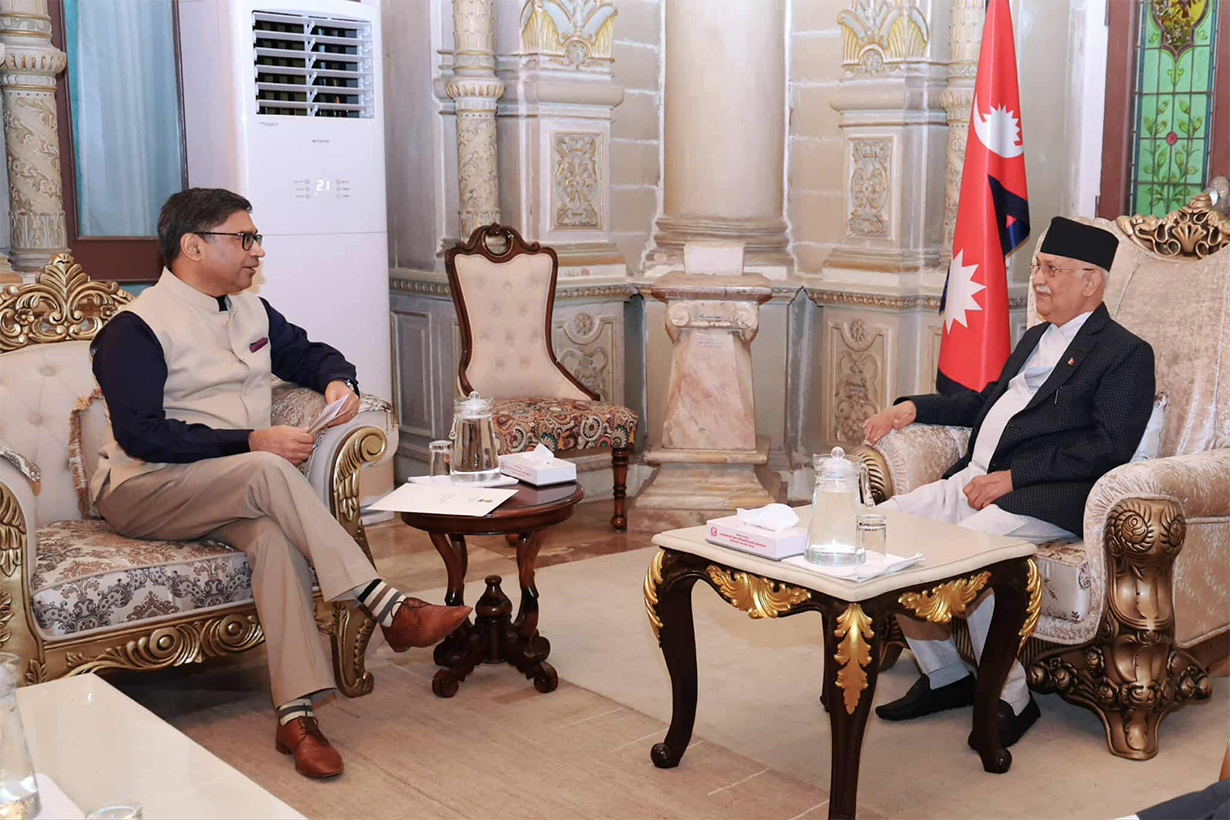
Kathmandu – Within hours of Indian Prime Minister Narendra Modi’s phone call to congratulate Sushila Karki on her appointment as Nepal’s interim prime minister, the Chinese and American ambassadors in Kathmandu arrived at Singha Durbar for courtesy meetings. The sequence of visits, coming from three of the world’s most influential powers, has been read in diplomatic circles as a sign that Nepal’s political shift is being closely watched far beyond its borders. For a small Himalayan nation caught between India and China and increasingly courted by the United States, such simultaneous attention is rarely accidental.
The timing alone carries geopolitical weight. India has long held a dominant influence in Nepal, bound by geography, trade and cultural ties. By reaching out first, New Delhi signaled its intent to reaffirm those links and remind Kathmandu of its historic partnership. China’s ambassador, by arriving immediately after, conveyed Beijing’s determination not to let Nepal slip further into India’s orbit. And the United States, which has invested heavily in development projects and the controversial Millennium Challenge Corporation compact, underscored that its strategic interests in South Asia extend well beyond New Delhi.
For Nepal, the sudden convergence of attention highlights the delicate balance it must maintain. Prime Minister Karki takes office at a fragile moment, with protests still fresh, elections scheduled for early next year, and the state under pressure to restore both political order and economic confidence. How her government handles these early overtures may set the tone for the next phase of Nepal’s foreign policy.
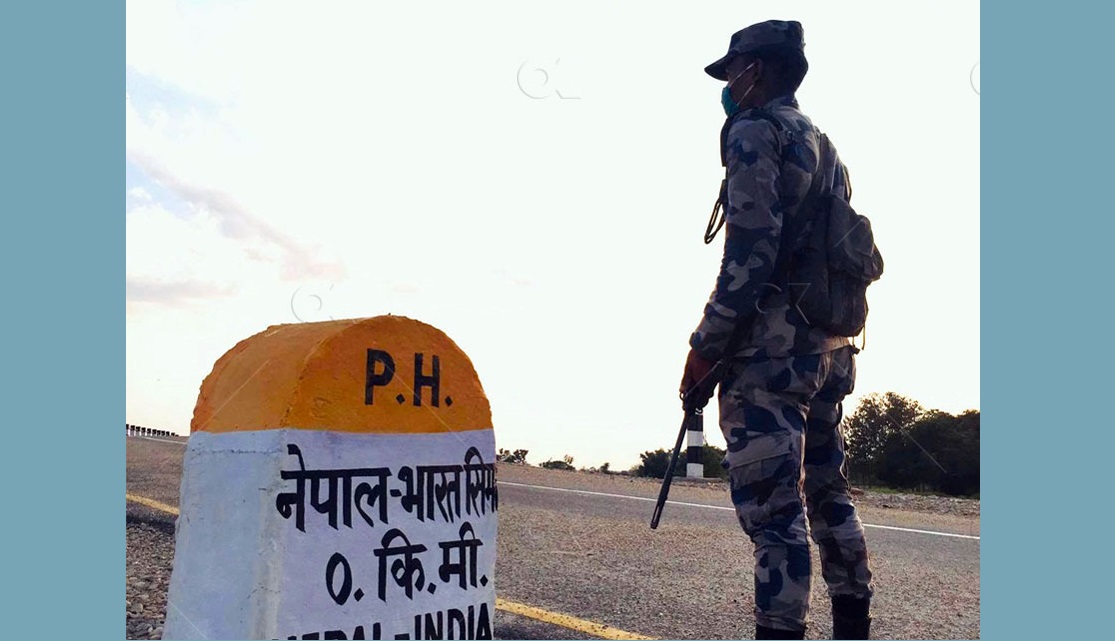
Each of the three powers has its own motives. India is anxious to keep Nepal firmly within its strategic fold, ensuring that no major infrastructure or security arrangement tilts decisively toward Beijing. It is particularly sensitive about transit routes, cross-border energy trade and unresolved border disputes. China, on the other hand, has steadily expanded its footprint in Nepal through roads, hydropower projects and Belt and Road Initiative commitments, while watching closely how Nepal manages issues linked to Tibet. The United States, meanwhile, has emphasized democracy, governance and transparency, but it also sees Nepal’s location as strategically valuable in the context of rising Chinese power in Asia.
The visits also expose the risks Nepal faces. If it leans too far toward one capital, it risks alienating another. Accepting large-scale projects without proper safeguards could saddle the country with unsustainable debt or compromise sovereignty. At the same time, failing to seize the moment could mean losing opportunities for investment, infrastructure and energy exports that the country badly needs.
President Ram Chandra Poudel recently urged unity and good governance as guiding principles for the country, and those same principles apply to foreign policy. Nepal’s challenge is to convert this influx of attention into tangible benefits without allowing itself to become a pawn in wider geopolitical rivalries. That will require clear priorities, transparent negotiation and above all a firm insistence that Nepal’s sovereignty and national interest come first.
The simultaneous outreach by India, China and the United States to Prime Minister Karki is not simply a coincidence of protocol. It is a reminder that Nepal, though small, occupies a strategic crossroads that matters deeply to the world’s major powers. How karki’s government responds could shape not only the country’s external relations but its internal stability and future trajectory.