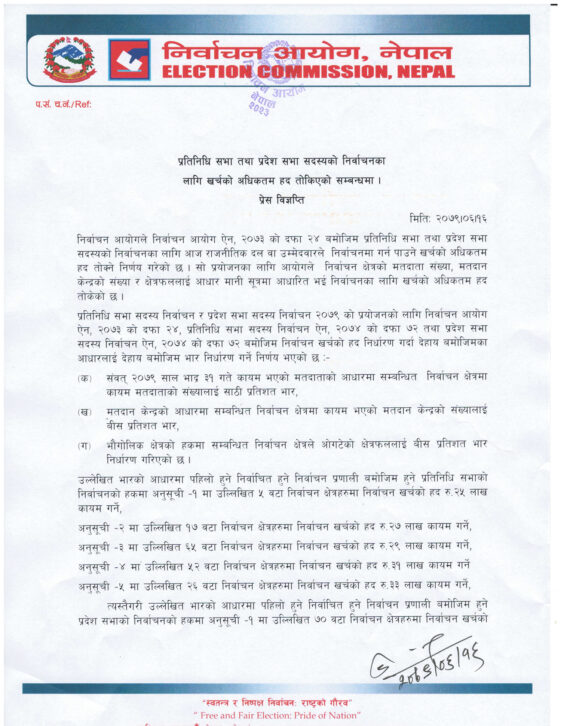
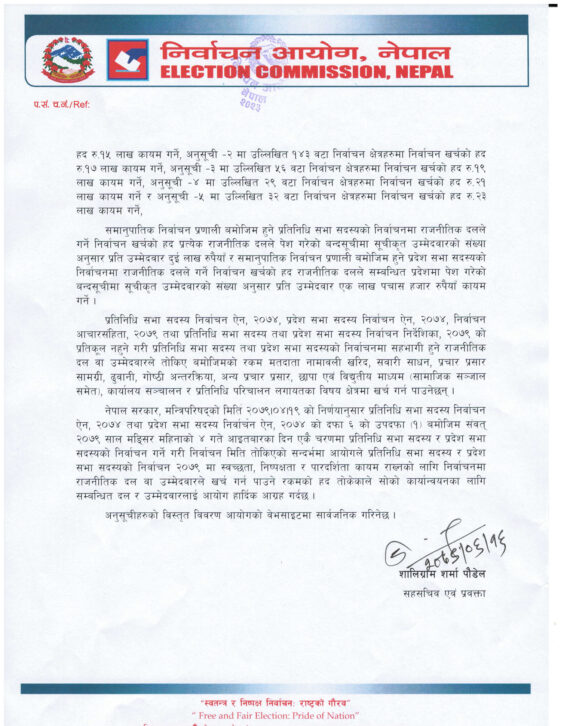
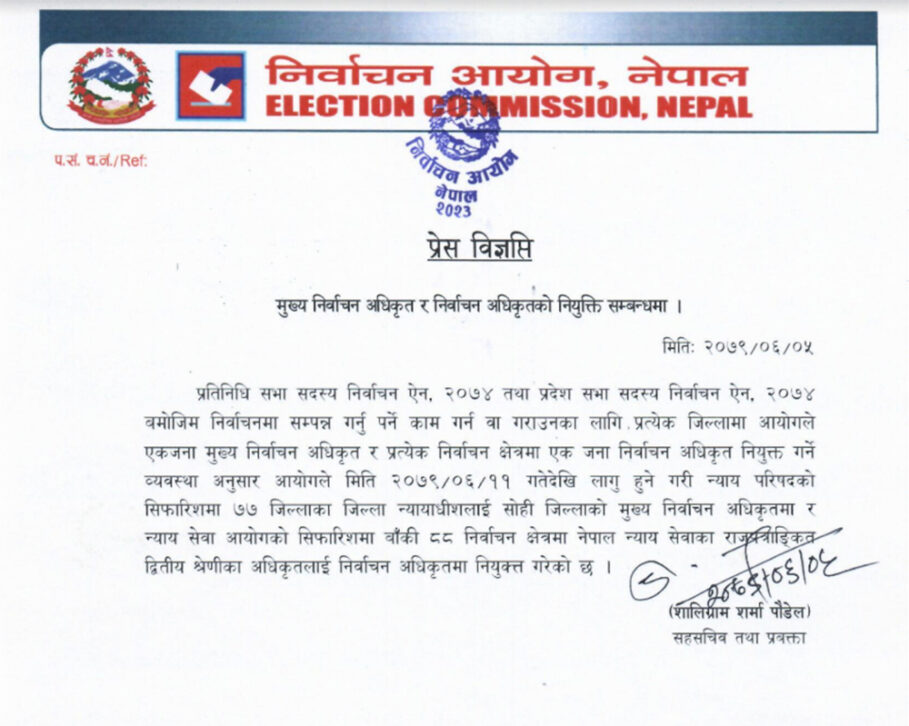
Kathmandu – The parliamentary election scheduled for March 5, 2026 (Falgun 21, 2082 BS) is projected to cost at least Rs 5 billion, according to former officials of the Election Commission. In comparison, the 2022 general and provincial elections together cost Rs 5.82 billion. Since this time only the House of Representatives election will be held, former Chief Election Commissioners believe the process can be completed at a lower cost.
A former commissioner told that the financial burden on the government will not be heavy. “In 2022, both parliamentary and provincial elections were held together, requiring four ballot boxes per station. Now only two are needed. This alone will cut significant expenses,” he explained. According to him, ballot boxes alone could save around Rs 20–30 million, while the reduced requirement of ballot papers could save an additional Rs 150–200 million.
The number of election staff will also decrease. Previously, four staff members were needed for four ballot boxes at each polling station, but this time only two staff members will be sufficient. In addition, the Cabinet Secretariat has already decided not to provide extra allowances to election staff, further reducing costs.
Some observers had raised concerns that the absence of a Chief Election Commissioner and two vacant positions might affect the preparations. However, another former commissioner dismissed such worries, saying, “The acting chief commissioner has full authority. The commission can mobilize any level of staff to get the job done.”
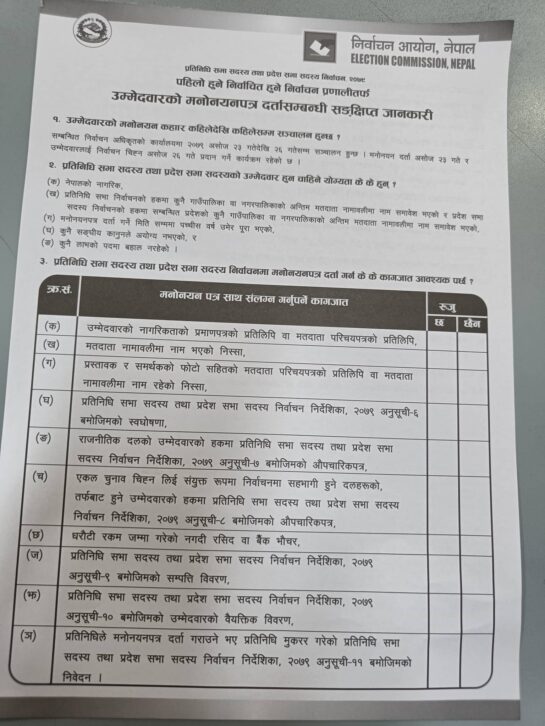
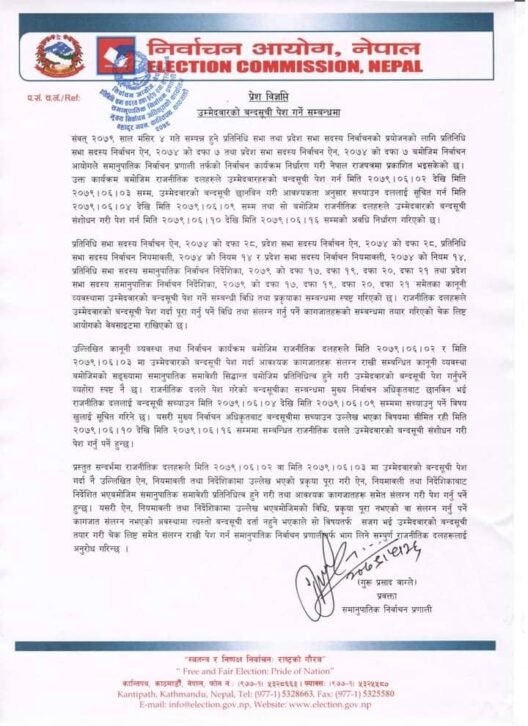
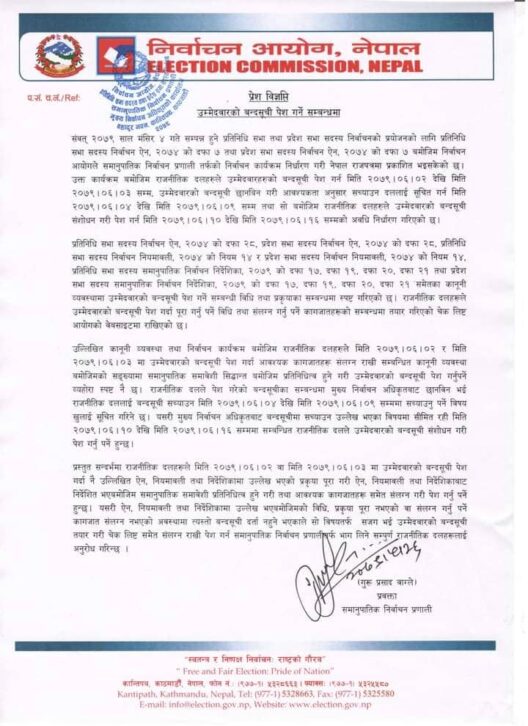
The voter registration process has been halted since July 1 (Ashad 17), as required by law once an election date is announced. The Election Commission has noted that reopening registration would require a government ordinance.
With six months left until the polls, experts say the time frame is sufficient. “In the past, national elections have been held in as little as 84 days, and local elections in 86 days,” a former commissioner recalled. However, he added that in the current political climate, ordinances may be required to address the demands of groups involved in the recent Gen-Z movement that led to the government’s collapse and parliament’s dissolution.
Former commissioners also stressed that political consensus is more important than time or cost. “Elections are fundamentally political agreements. Without party consensus, elections cannot be legitimate,” .
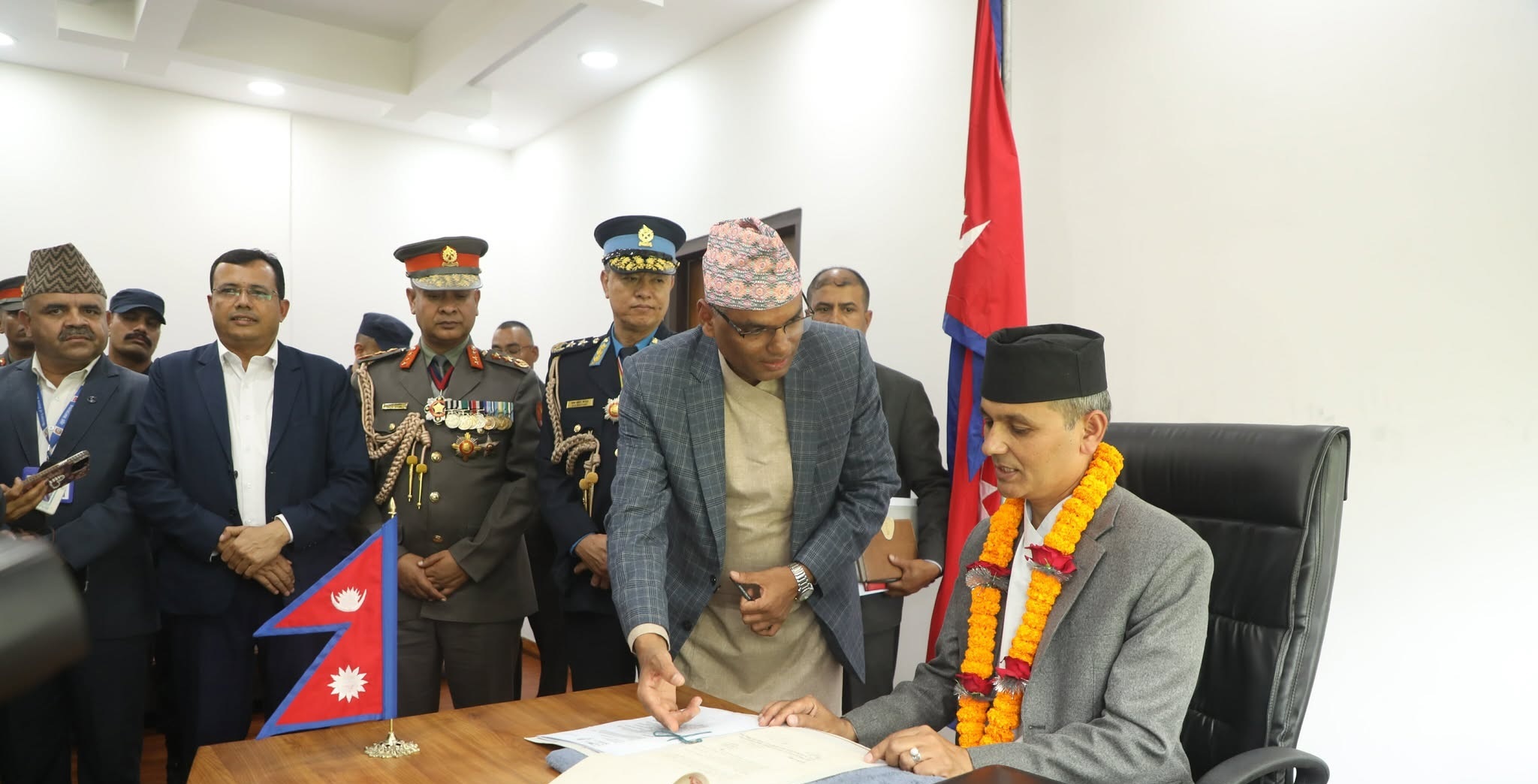
Home Minister Om Prakash Aryal also underlined that elections are the only democratic way to resolve political disputes. Taking office this week, he said: “Political questions demand representation, and elections are the democratic medium for that. Banning political parties goes against the constitution. Any return of banned or displaced groups must be legitimized through elections.”
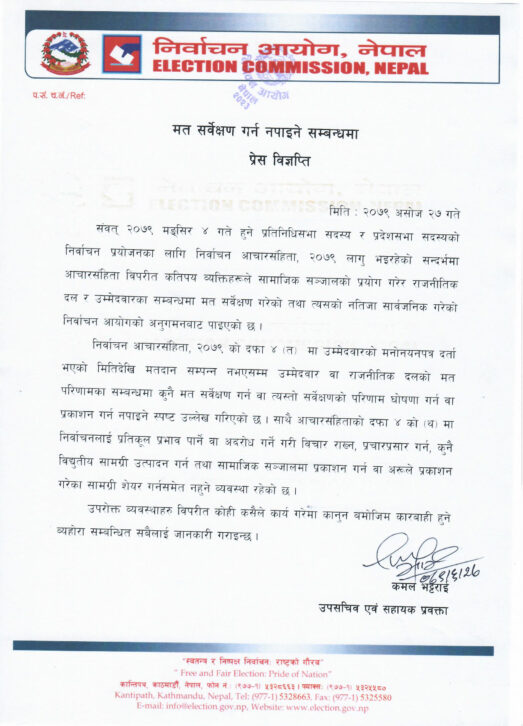
The Election Commission has said it is already preparing to hold the election on time. Spokesperson Narayan Prasad Bhattarai stated, “We are ready to conduct the polls in a free, fair, and peaceful environment.” A member of the commission confirmed that discussions with the Home Minister are scheduled this week to finalize legal adjustments, including whether to issue an ordinance to reopen voter registration.


 NP
NP